
|
Getting your Trinity Audio player ready...
|
Quick Facts
- Real name: Phillip Kayode Moses
- Born: June 5, 1994, Lagos, Nigeria
- Occupations: Record producer, singer, songwriter
- Years active: 2011 to present
- Label: Rii Collective, Warner Records
- Breakthrough production credits: Olamide’s “First of All” and “Fucking with the Devil” (2012)
- Breakout single as artist: “Finesse” featuring BNXN (2022)
- Recognition: Headies Producer of the Year (2020), BET Award nomination for Best New International Act (2022)
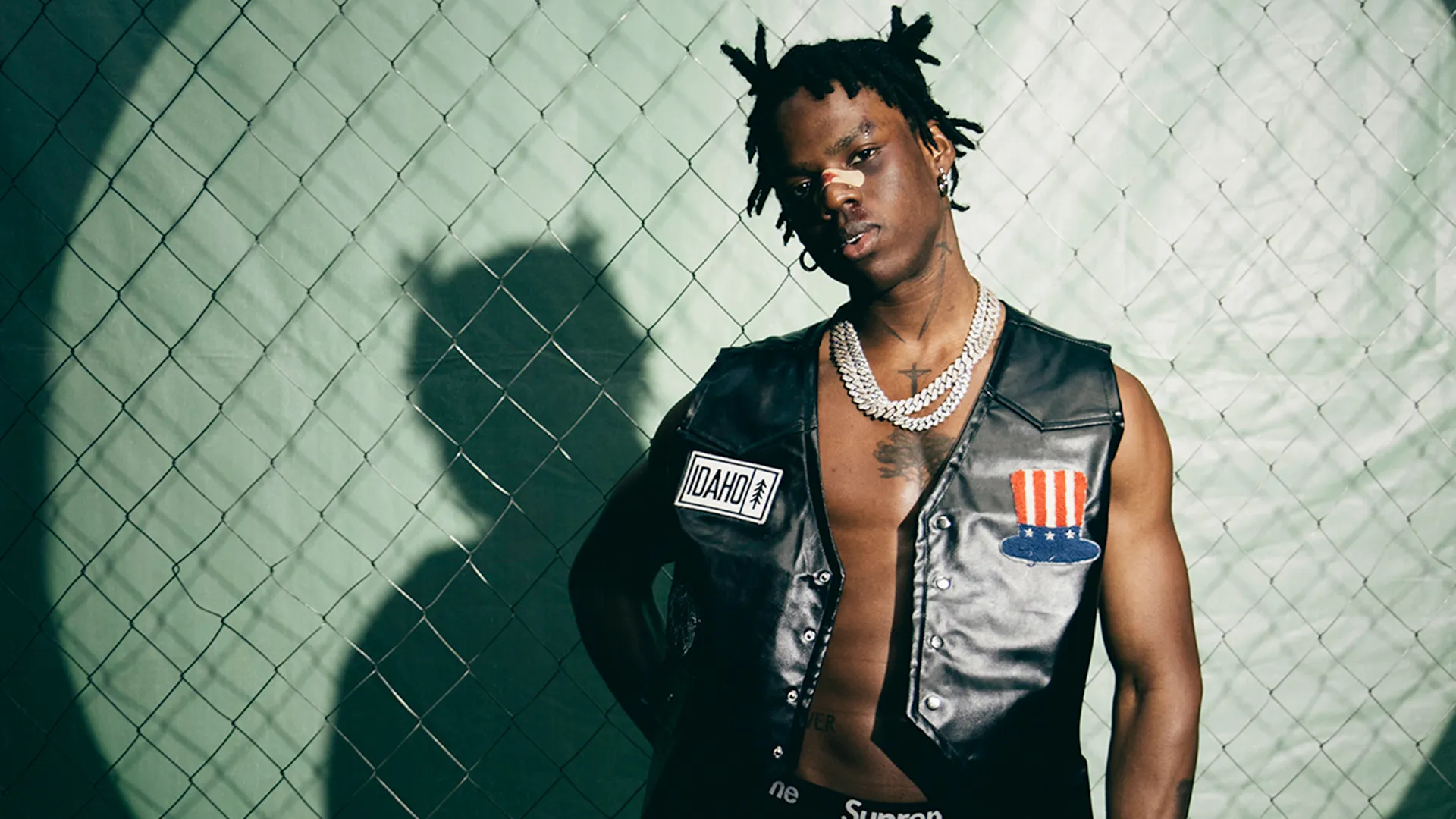
Pheelz has one of the more unusual career arcs in modern Afrobeats, moving from behind-the-scenes hitmaker to a recording artist in his own right. Before the world knew him for “Finesse,” he had already shaped the sound of Nigerian hip-hop through his work with Olamide and YBNL. This Pheelz biography traces his real name, his rise as a producer, his songwriting and production credits, and his transition into performing.
Who Is Pheelz?
Pheelz’s real name is Phillip Kayode Moses. Born on June 5, 1994, in Lagos, Nigeria, he built a career as a record producer, singer and songwriter. He has also used names such as Pheelz Mr. Producer and Ridimakulayo. His production work played a major role in shaping the early sound of Olamide’s YBNL label.
Early Career and Breakthrough
Pheelz’s rise began as a teenager working closely with Olamide and the emerging YBNL camp. His breakthrough as a producer came in 2012, when he produced the chart-topping Olamide singles “First of All” and “Fucking with the Devil” from the YBNL album. That same period, he helped Olamide build YBNL Nation into a platform designed to support collaboration among artists and producers, working alongside him from the label’s earliest days.
His profile rose further in 2013 when he produced all but one track on Olamide’s Baddest Guy Ever Liveth album, a body of work that included the hit “Durosoke” and earned Pheelz a nomination at The Headies 2013. That same year, NotJustOk listed him among the “Top 10 Hottest Producers in Nigeria.” He picked up further Headies and Nigeria Entertainment Awards nominations for Producer of the Year in 2014, before eventually winning the Headies Producer of the Year award in 2020.
Songwriting and Production Credits
Over more than a decade as a producer, Pheelz built a catalog of credits across some of Nigeria’s biggest artists. His production work includes Adekunle Gold’s “Sade” and “High,” Lil Kesh’s “Cause Trouble,” Teni’s “Billionaire,” Tiwa Savage’s “49-99,” and Davido’s “Stand Strong.” He continued working across multiple Olamide projects throughout the 2010s, including 2 Kings, Olamide’s collaborative album with Phyno, and The Glory. His production style became known for blending street-driven Nigerian hip-hop with more melodic, Afrobeats-leaning elements, which helped several of his collaborators cross over to broader audiences.
Transition Into Performing
Pheelz has said in interviews that he never saw his move into performing as a true transition, describing himself as someone who had always been an artist even while working primarily as a producer. His first public step toward a solo career came with the 2021 EP Hear Me Out, released during a period he has described as personally and financially difficult. He has said a tweet from fellow artist Rema, which spoke of the world pausing for someone to catch up, pushed him to keep pursuing his own music rather than staying behind the scenes.
The Rise of “Finesse”
Pheelz’s defining moment as a performing artist came in early 2022 with “Finesse,” a song featuring BNXN, then known as Buju. Produced by his protégé Miichkel, the track went viral after Pheelz posted a clip of it on TikTok, where he had only recently opened an account with a small following. The song’s rapid spread led BNXN to reach out directly to complete the collaboration, and the finished record went on to chart internationally, appear on the FIFA 23 soundtrack, and reportedly feature on a public playlist associated with former US President Barack Obama.
The success of “Finesse” led to a recording contract with Warner Records and a 2022 BET Award nomination for Best New International Act. Pheelz followed it with “Electricity,” a collaboration with Davido that further demonstrated his ability to succeed both in front of and behind the microphone.
Later Projects
Since his breakout, Pheelz has released a series of EPs under the “Pheelz Good” banner, including Pheelz Good, Pheelz Good (Triibe Tape) and Pheelz Good II, which closed out the trilogy. These projects have leaned into the emotional and personal dimensions of his transition from producer to artist, while still showcasing his production instincts. In 2024, he collaborated with American R&B star Usher on the single “Ruin,” which he wrote, produced and appeared on, extending his reach beyond the Nigerian and Afrobeats markets into international R&B collaborations.
Musical Style and Influence
Pheelz’s sound draws on Afropop, Afrobeats, hip-hop, jazz and R&B influences, reflecting his roots as a producer who worked across multiple genres before stepping into performing. His ability to move fluidly between writing, producing and performing has made him a distinctive figure within Afrobeats, where the roles of songwriter and artist are often kept separate. His story is frequently cited as an example of a producer successfully reinventing himself as a mainstream performer rather than remaining confined to a supporting role.
Personal Life
Pheelz has spoken openly about experiencing a difficult period both financially and emotionally around 2021, before his career shifted following the success of “Finesse.” He has credited that low point, along with encouragement from peers in the industry, as part of what pushed him to fully commit to performing. He has kept most other details of his personal life private, focusing his public statements on his music and career journey.
Current Career
As of 2026, Pheelz continues to operate as both a producer and a recording artist, maintaining the dual identity that has defined his career. His work with Usher and his continued releases under the “Pheelz Good” series suggest an artist still expanding his reach beyond Nigeria, while his early catalog with Olamide and YBNL remains a reference point for his influence on Nigerian hip-hop and Afrobeats production.
Conclusion
Pheelz’s career illustrates a rare and successful shift from studio hitmaker to global recording artist. His years shaping the sound of Olamide and YBNL gave him a foundation that few performing artists in Afrobeats can claim, and his later success with “Finesse” and international collaborations have shown that his influence on the genre works from both sides of the microphone.