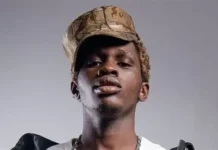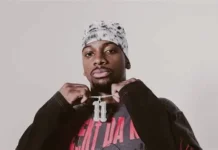

|
Getting your Trinity Audio player ready...
|
Quick Facts
- Real Name: Daniel Ikyobo, also listed as Ikyobo Daniel Musghter
- Stage Name: President EMS
- Former Stage Name: Emperor Swags
- Date of Birth: August 31, 1994, according to an artist profile
- Age: 32 years old in 2026
- Place of Origin: Vandeikya, Benue State, Nigeria
- Tribe: Tiv
- Nationality: Nigerian
- Profession: Rapper, songwriter and recording artist
- Education: Sociology graduate of Benue State University, now Father Adasu University
- Genres: Hip-hop and Nigerian rap
- Notable Soundtrack: “IGHO’LE Trap Mix Version”
- Major Recognition: Association with an AFRIMA-nominated soundtrack featured in To Kill a Monkey
President EMS is a Nigerian rapper whose career connects contemporary hip-hop with the cultural identity of Benue State. Known for his lyrical approach and roots in the Tiv community, he developed his music career while pursuing higher education and building relationships within Nigeria’s independent music scene. His contribution to “IGHO’LE Trap Mix Version,” a soundtrack featured in the Netflix series To Kill a Monkey, brought renewed attention to his work in 2025.
The soundtrack’s connection to the All Africa Music Awards (AFRIMA) placed his name before a wider audience. Although the track did not win the Best Soundtrack in a Movie, Series, or Documentary category at the 2025 edition, the recognition marked an important moment in his career. His journey also highlights the creative potential of artists emerging from regions that receive less attention than Nigeria’s major commercial music centres.
Who Is President EMS?
President EMS is a Nigerian rapper whose career began in Benue State before expanding into the wider Nigerian music industry. He previously used the stage name Emperor Swags before adopting EMS as a shorter, more memorable identity. The change reflected his interest in building a recognisable brand around his music.
His artistic identity centres on rap, lyrical expression and his connection to Benue. He emerged through the state’s local music scene, where performers often develop their audiences through independent releases, live performances, collaborations and grassroots promotion.
President EMS became more widely recognised following his contribution to “IGHO’LE Trap Mix Version.” The track brought together Oscar Heman-Ackah, President EMS and Uzikwendu for a soundtrack associated with To Kill a Monkey. Its connection to a major streaming production gave his work greater exposure beyond his established audience.
Early Life and Family Background
President EMS hails from Vandeikya Local Government Area of Benue State, Nigeria. He belongs to the Tiv ethnic group, whose language, traditions and cultural identity form an important part of his background. His connection to Benue has remained a recurring feature of his public identity as a musician.
Older artist profiles describe him as one of four sons in a family headed by Moses Ikyobo. They also identify his parents as education professionals, with his father working as a lecturer and his mother as a teacher. Growing up in a family that valued education provided a background for his academic development while he pursued his interest in music.
His early years in Makurdi, the Benue State capital, helped shape his experience of the local entertainment scene. He discovered his interest in rap during secondary school and began exploring opportunities to perform and develop his lyrical skills.
Education and Academic Background
Education played an important role in President EMS’s development. He attended primary school in Benue State, beginning at First Baptist before completing his primary education at Qua-Iboe Nursery and Primary School, later known as United Evangelical School. He then attended Anglican Secondary School in Makurdi.
His interest in music grew during his secondary school years. He explored rap and began testing his skills through performances and rap battles. These experiences allowed him to develop confidence and understand how to engage audiences through lyrics and delivery.
President EMS proceeded to Benue State University, where he studied Sociology. He completed his degree, according to later coverage of his career. The institution is now known as Father Adasu University.
His decision to pursue higher education alongside music distinguishes his early journey. Rather than abandoning his studies to concentrate exclusively on entertainment, he continued developing his academic and creative interests. His background in Sociology also provides a useful context for understanding his place within communities, culture and the social experiences that influence music.
How President EMS Started His Music Career
President EMS began building his music career while still developing his identity as a rapper in Benue State. His early experiences included school performances and rap battles in Makurdi and neighbouring areas. These opportunities helped him test his writing, sharpen his delivery and connect with other young performers.
He initially performed under the name Emperor Swags. As his career progressed, he shortened the name to EMS after considering how to present his identity more effectively to audiences. The change gave him a simpler stage name while preserving the identity associated with his early music.
His professional development gained momentum around 2015, when he secured a record deal, according to an earlier interview. He also received support from Star Trace Movement, a group involved in promoting emerging talent. That support helped him move beyond his immediate environment and pursue opportunities within the broader Nigerian music industry.
President EMS’s early career reflects the realities of independent Nigerian rap. Artists often need to balance songwriting with promotion, networking, recording and the search for opportunities to perform. Building recognition takes persistence, particularly for musicians working outside the country’s biggest commercial music hubs.
Early Songs and Musical Development
President EMS released music as he developed his place in the Nigerian rap scene. One of his early recordings was “Follow D Ladda,” which appeared during the period when he was establishing his identity as a performer. He also released “Mad Over You,” a song listed in his artist catalogue.
These early releases helped introduce listeners to his work and supported his development as a recording artist. His career has involved more than one song or style, with his broader identity rooted in rap and lyrical performance.
His early activities also connected him with other musicians and promoters working to develop Benue’s music industry. These relationships helped him gain experience in the independent music environment and build the foundations for later collaborations.
For President EMS, the journey from local performances to professionally released music required both creative development and persistence. His later soundtrack contribution showed how those years of work could lead to opportunities beyond the regional scene.
“IGHO’LE Trap Mix Version” and To Kill a Monkey
A major turning point in President EMS’s public profile came with “IGHO’LE Trap Mix Version,” released in July 2025 as part of the soundtrack for To Kill a Monkey. The track features Oscar Heman-Ackah, President EMS and Uzikwendu, combining rap performance with trap-influenced production.
The Netflix series, directed by Kemi Adetiba, provided a platform for the song to reach viewers beyond the usual audience for independent Nigerian rap. Soundtracks can introduce artists to new listeners because music becomes part of a story’s atmosphere and emotional impact. For a rapper building recognition, this kind of placement can create opportunities that differ from the traditional release of a standalone single.
The song also became associated with AFRIMA’s Best Soundtrack in a Movie, Series, or Documentary category. While reporting in October 2025 highlighted President EMS’s involvement and described the nomination as a milestone for Benue, the official awards results listed “IGHO’LE Trap Mix Version” under Oscar Heman-Ackah. The category was won by Yemi Alade for “You Are,” from the animated series Iyanu.
The distinction matters when assessing President EMS’s achievements. His contribution to the soundtrack brought him recognition, but it would be inaccurate to describe him as an AFRIMA winner. The exposure nevertheless helped draw attention to his work and the talent emerging from Benue State.
President EMS and the Benue Music Scene
President EMS’s career has significance beyond his individual releases because it reflects the development of music in Benue State. Nigerian popular music receives considerable attention through artists from Lagos, Abuja and other major entertainment centres. Musicians from smaller regional scenes often have to build audiences with fewer commercial resources and less national visibility.
Benue has produced artists who have reached national audiences, including 2Baba. President EMS represents a different stage of that continuing story, working within the rap scene and using collaborations to expand his reach.
His connection to Tiv culture and Benue also forms part of his public identity. Regional backgrounds can shape an artist’s perspective, language, storytelling and relationship with local audiences. For musicians seeking national recognition, that connection can offer a distinctive identity rather than an obstacle to broader appeal.
His soundtrack contribution demonstrates how opportunities in film and television can help bridge the gap between regional music scenes and wider audiences. It also shows that a career can advance through collaborations and creative placements, not only through chart success.
President EMS’s Musical Identity and Achievements
President EMS is primarily identified with rap and hip-hop. His career has developed through lyrical performance, independent releases and collaborations with other musicians. The soundtrack work on “IGHO’LE Trap Mix Version” placed his rap performance within a cinematic production, exposing his work to a different audience.
His achievements include developing a music career from Benue, releasing songs during his early years as a performer and contributing to a soundtrack that received AFRIMA-related recognition. His professional story also includes his transition from Emperor Swags to EMS and his continued connection to the region where he began.
His career remains distinct from that of artists whose success depends mainly on mainstream pop releases. Rap can build recognition through lyricism, collaborations, soundtrack placements and live performance. President EMS’s trajectory illustrates how these routes can help artists find opportunities within Nigeria’s competitive music industry.
President EMS’s Net Worth
President EMS’s net worth has not been reliably established in public information. There is no sufficiently verified figure that can accurately describe his total wealth, and assigning him a specific amount would be speculative.
Musicians can earn money through recorded music, streaming, performances, songwriting, soundtrack placements and other professional engagements. However, the value of these earnings depends on contracts, distribution arrangements, royalties and expenses, which are not publicly available in his case.
His AFRIMA-related recognition may help create further opportunities, but it does not establish his financial position. For an accurate biography, his net worth should remain unconfirmed until credible financial information becomes available.
Conclusion
President EMS’s biography tells the story of a rapper who developed his career through education, local performances and independent music before gaining wider attention through a film soundtrack. His roots in Vandeikya, his Sociology degree and his early work as Emperor Swags help explain the path he took into Nigeria’s music industry.
His contribution to “IGHO’LE Trap Mix Version” connected him with the soundtrack for To Kill a Monkey and brought attention to his work in the context of AFRIMA. Although he should not be described as an AFRIMA award winner, the exposure marked a notable milestone and highlighted the potential of artists from Benue State.
As his career develops, his ability to build on this recognition through new releases and collaborations will shape his next chapter. His story remains a useful example of how regional talent can find a wider audience through persistence, creative partnerships and opportunities beyond conventional music promotion.
Join our WhatsApp channel and Telegram channel for latest music updates.
Kindly follow and join both channels to stay updated with the latest music.